

Perimenopause May Start Earlier Than We Thought. Here's What New Research Reveals.
Groundbreaking new research suggests that the hormonal changes leading to menopause may begin as early as our mid-to-late 30s. Here's what researchers discovered, why it matters, and how women can take a more proactive approach to midlife health.
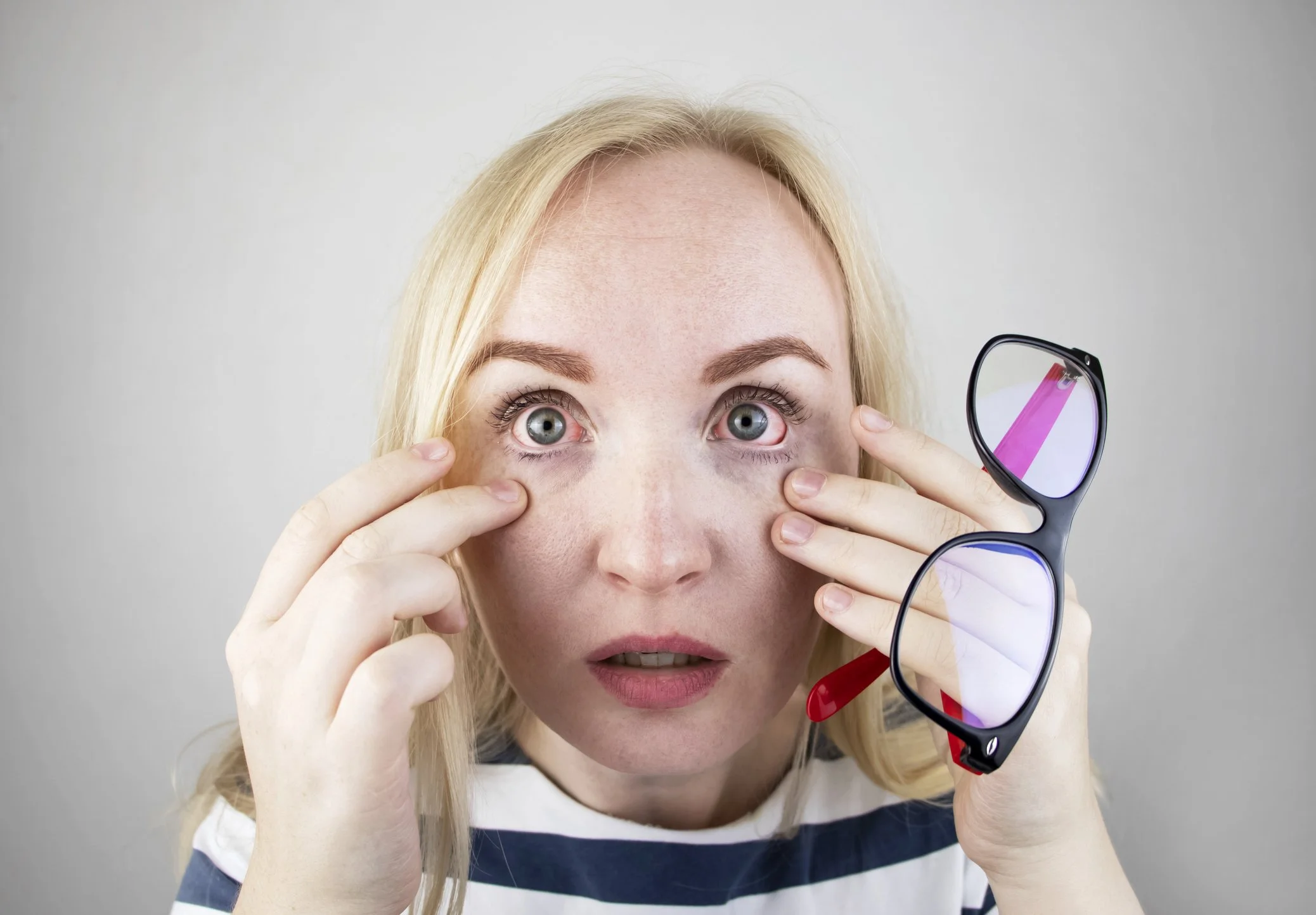
Dry Eyes and Menopause: Yep, Apparently That’s a Thing Too
Dry eyes during menopause? You’re not alone. Learn how hormonal changes during perimenopause and menopause can affect your eyes, why dry eye happens, and science-backed ways to find relief.
Why Your Healthy Habits Aren’t Sticking (And the Simple Shift That Changes Everything)
If your healthy habits never seem to stick, it’s not a discipline problem. In midlife, the real shift is learning how to make habits fit your life—not the other way around. This post breaks down habit stacking, a simple, effective way to build consistency by layering new habits onto routines you already do every day.

Electrolytes & Menopause: The Missing Piece
Your hormones are shifting — and they're taking your electrolytes with them. Here's what perimenopause and menopause are doing to your mineral balance, and why it may be behind more of your symptoms than you think.

The Estradiol Patch Shortage: Why This Hits So Hard in Midlife
The estradiol patch shortage isn’t just an inconvenience — for many midlife women, it can feel destabilizing. If you’ve been told your prescription is out of stock, this post explains why it’s happening, what it means for your symptoms, and the practical steps you can take to stay steady and supported.

Why Menopause Isn’t a DIY Project — and Why a Care Team Matters
Menopause isn’t a solo journey. Learn why having the right care team matters — and how support can help you stop piecing symptoms together on your own.

The Midlife Edit Vol.3
When Tracy Mitzner began experiencing debilitating migraines, joint pain, and sudden changes in how her body responded to alcohol, she assumed something was wrong—but not this. What followed was years of unanswered questions, misdirected treatments, and mounting frustration. In this deeply personal essay, Tracy shares how perimenopause quietly reshaped her health, why the root cause was repeatedly missed, and what finally helped her reclaim her quality of life.

The Midlife Edit Vol. 2
In this deeply personal conversation, Mara Davis opens up about the emotional weight that comes with decades of dieting, and what finally shifted for her as she entered midlife. Her story is raw, relatable, and beautifully human — a reminder that so many women are carrying the same invisible load.
Mara’s honesty creates space for all of us to rethink our relationship with our bodies, our worth, and the narratives we’ve been handed about weight and womanhood during midlife.

Magnesium The Menopause Mineral Must HAve
Magnesium supports women's menopause health by easing mood swings, anxiety, and insomnia. It promotes relaxation, better sleep, aids calcium absorption for bone health, reduces muscle cramps, and boosts energy, enhancing overall midlife well-being.

Cortisol…The Secret Saboteur of Menopause?
Cortisol, often referred to as the "stress hormone," plays a significant role during menopause. As women transition through this phase, fluctuations in hormone levels can lead to increased stress and anxiety, triggering higher cortisol production. Elevated cortisol levels may contribute to symptoms such as weight gain, sleep disturbances, and mood swings, complicating the menopause experience. Understanding the relationship between cortisol and menopause is crucial for women navigating midlife, as managing stress and maintaining balanced cortisol levels can promote overall well-being, enhance energy levels, and support emotional health. Empowering oneself with knowledge about cortisol can lead to more informed health choices during this transformative stage.

What’s With The Menopause Belly Fat
Menopause can bring a host of physical changes, and one of the most common concerns women face during this transition is the accumulation of belly fat. This change is often attributed to hormonal fluctuations, particularly the decline in estrogen levels, which can lead to shifts in body composition and metabolism. As a result, many women find that they are more prone to gaining weight around the abdomen. Addressing menopause belly fat involves a multifaceted approach that includes a balanced diet, regular exercise, and stress management techniques.

The Menopause Skin Shift
During menopause, many women notice significant changes to their skin due to hormonal fluctuations. The drop in estrogen can impact collagen production, leading to decreased elasticity, increased dryness, and heightened sensitivity. Consequently, fine lines, wrinkles, and age spots may become more pronounced. It’s also common to experience shifts in skin texture and tone, along with a reduced capacity to retain moisture. Acknowledging these changes is vital in crafting a skincare routine centered on hydration, protection, and rejuvenation.

Why Gut Health Matters In Midlife
Menopause is a significant transition in a woman's life that can affect various aspects of health, including gut health. Hormonal changes during this time can lead to fluctuations in digestive function, potentially causing issues such as bloating, constipation, and altered gut microbiota. These shifts may also impact the absorption of essential nutrients, further exacerbating symptoms and overall well-being. By understanding the connection between menopause and gut health, women can take proactive steps to support their digestive systems, including a balanced diet rich in fiber, probiotics, and hydration. Prioritizing gut health not only alleviates discomfort but also promotes better hormonal balance and enhances overall health during this pivotal stage of life.

Phantom Smells and Menopause
Phantom smells are an unsettling menopause symptom where women detect nonexistent scents, from unpleasant to sweet. They may relate to hormonal shifts, brain chemistry changes, or stress. Understanding this can help manage its impact. Techniques like mindfulness and stress reduction, along with open communication with healthcare providers, can assist in coping. Recognizing these sensations as temporary can empower women to navigate menopause with confidence and peace.

Why Cardio Alone Won’t Help You Lose Weight in Menopause
Menopause brings hormonal changes that affect metabolism and weight management. Relying only on cardio may not be enough for weight loss. Strength training is vital for building muscle, boosting metabolism, and countering muscle loss. Flexibility and balance exercises enhance functional strength and lower injury risk. A holistic approach, incorporating diverse fitness routines along with mindful nutrition and lifestyle strategies, is key for sustainable weight loss and overall health during menopause.

Menopause & Mood Swings: How to Stay Emotionally Balanced
Menopause is a natural transition with hormonal changes that can cause mood swings and emotional fluctuations, leading to irritability, anxiety, and sadness. To maintain emotional balance, adopt stress-reduction techniques like mindfulness, regular exercise, and a healthy sleep routine. Connecting with others and seeking professional support can aid in managing emotions. Prioritizing self-care and understanding your body's changes can help you navigate this transition with resilience and confidence.

Osteopenia & Menopause
Osteopenia is a significant health concern for midlife women, particularly those entering menopause, as it signals a reduction in bone density that can lead to osteoporosis. Understanding your bone health becomes crucial at this stage in life. Regular screenings and bone density tests are essential to establish your baseline and assess your risk. By knowing your bone density, you can take proactive steps, such as incorporating weight-bearing exercises, ensuring adequate calcium and vitamin D intake, and discussing options with your healthcare provider. Prioritizing bone health now is vital for maintaining strength and reducing the risk of fractures in the future.

Who Owns The Menopause Space?
Menopause marks a significant change in the lives of midlife women but finding a practitioner who is menopause literate can be tough and costly.

You Really Can Control Your Midlife Health
Actions you take today will effect your health down the road. Don’t wait until disease takes hold, make positive changes to your diet and lifestyle to ensure you age with your health in tact.

Do You Have A Menopause Plan?
A menopause care plan is essential as women enter perimenoopause and menopause. Having a plan ensures women have adequate resources, care and a roadmap to feeling well through midlife.