

What to Eat During Menopause: Nutrition for Feeling Your Best in Midlife
What you eat during perimenopause and menopause can make a big difference in how you feel and in your long-term health. As estrogen levels change, supporting muscle, bone, heart and metabolic health becomes increasingly important.
The good news? You don't need a special “menopause diet.” Focusing on protein, fiber, healthy fats, calcium-rich foods and plenty of plants can help give your body what it needs during this stage of life.
And it doesn't have to be complicated. Here are some of the foods I encourage women to include more often in midlife and why.
Eat your way through menopause
-

Prioritize Protein During Menopause
Protein becomes increasingly important in midlife because maintaining muscle isn't just about looking toned—muscle supports strength, mobility, bone health and metabolic health as we age.
Instead of saving most of your protein for dinner, try including a meaningful source of protein at each meal.
Good options include fish, chicken, turkey, eggs, Greek yogurt, cottage cheese, tofu, tempeh, beans and lentils.
A simple place to start: Look at your breakfast. If it's mostly carbohydrates, ask yourself, Where's the protein?
-
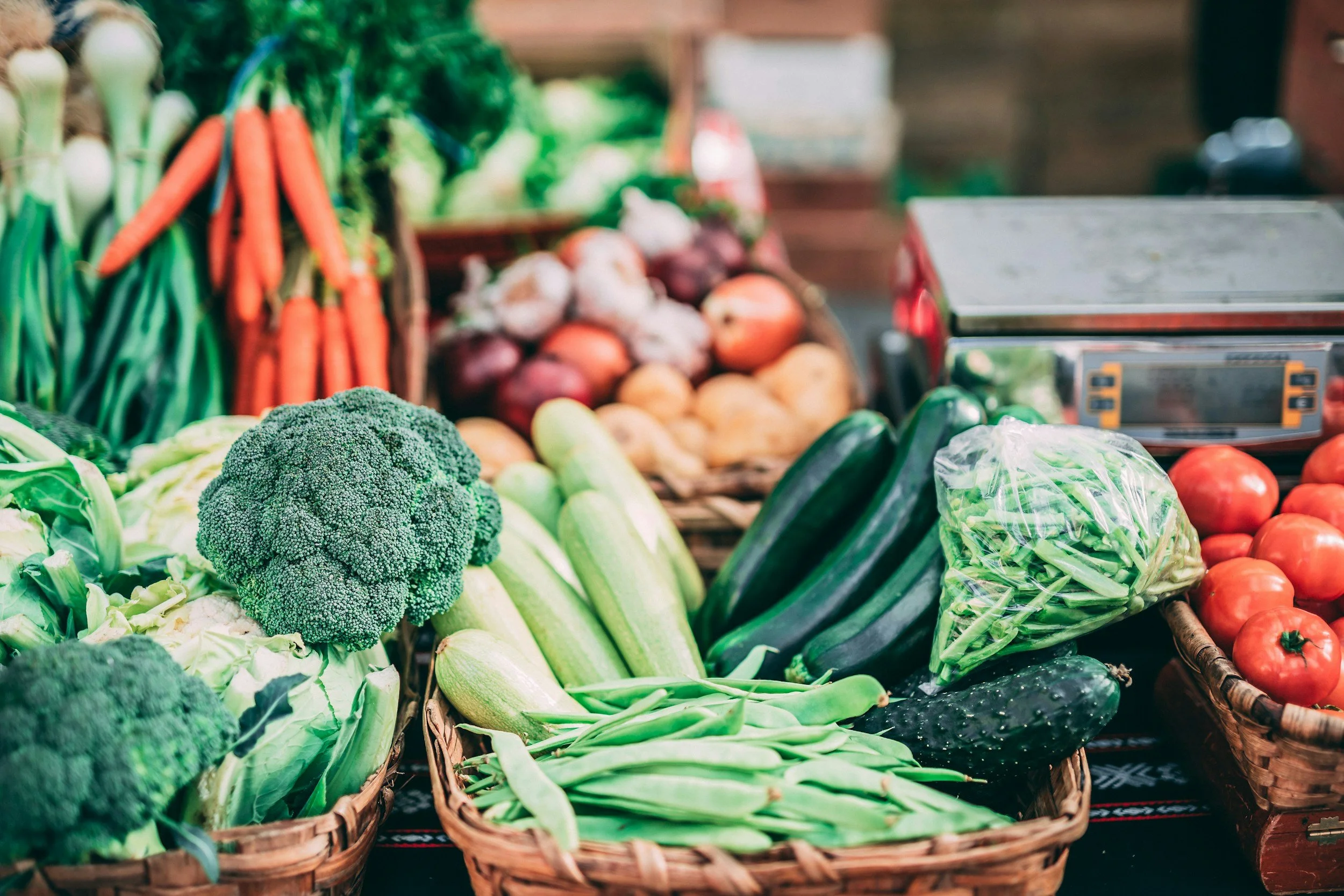
Fiber During Menopause
Fiber becomes even more important in midlife, yet many women aren't getting enough.
Fiber supports digestive health, helps with fullness and blood sugar management, and plays an important role in heart health. It's also one of the best ways to support a healthy gut microbiome.
Aim to get fiber from a variety of plant foods including vegetables, fruit, beans, lentils, whole grains, nuts and seeds. If your current intake is low, increase it gradually and make sure you're drinking enough water along the way.
A simple place to start: Add one fiber-rich food to each meal—berries at breakfast, beans at lunch, vegetables at dinner or nuts and seeds as a snack.
-

Leafy Greens
Spinach, kale, arugula, collard greens and other leafy greens provide nutrients that become especially important in midlife, including calcium, magnesium, vitamin K, folate and fiber.
As we age, protecting bone health becomes increasingly important—and nutrition, strength training and adequate protein all play a role.
Don't love salads? Greens count whether they're raw or cooked. Add spinach to eggs, blend greens into a smoothie, sauté them with olive oil or toss them into soups and pasta dishes.
-
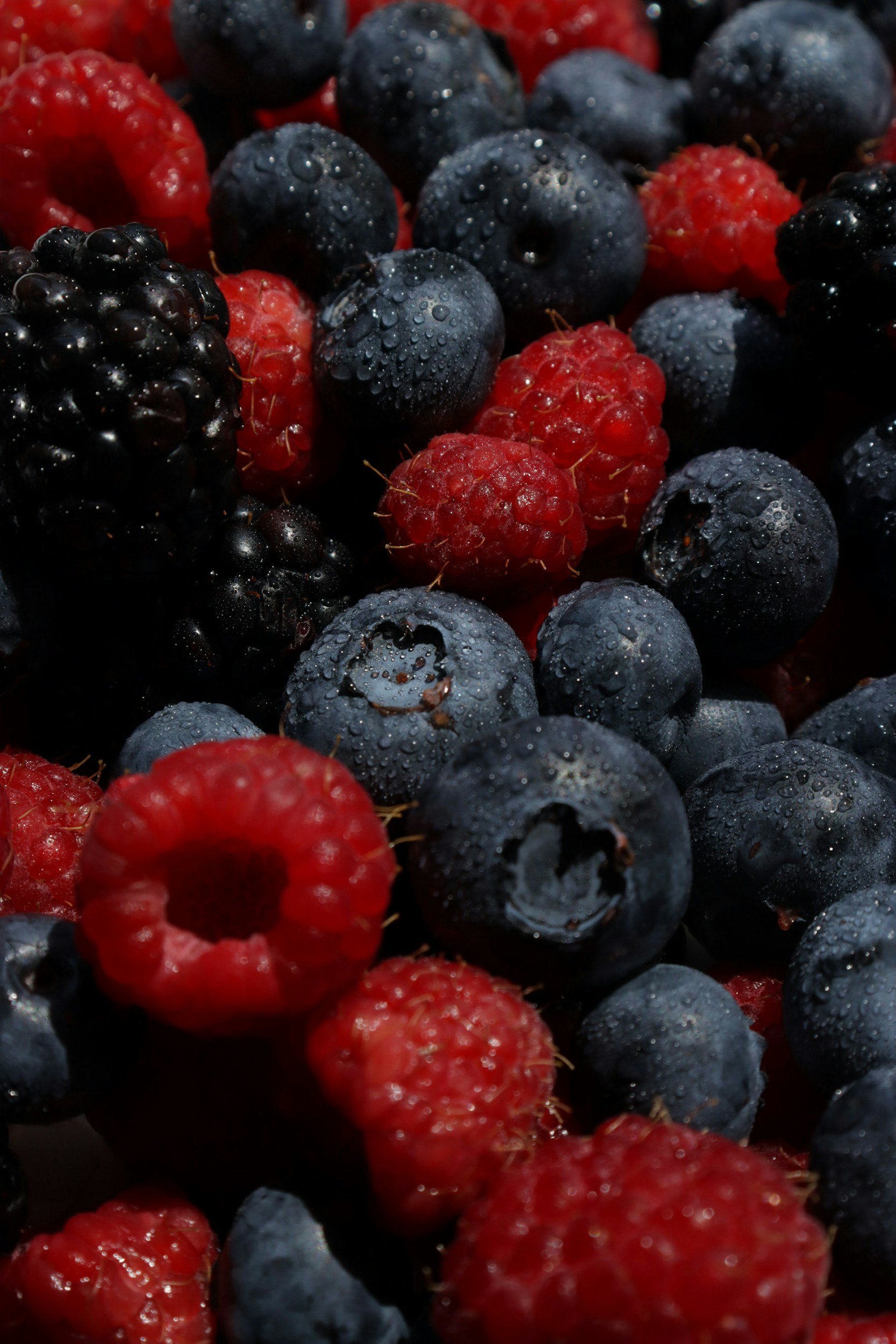
Berries
Blueberries, raspberries, strawberries and blackberries pack a lot of nutrition into a small package. They're rich in fiber, vitamins and plant compounds called polyphenols.
Berries are an easy way to add more plants and fiber to your day. Toss them into Greek yogurt, add them to oatmeal or a smoothie, or keep frozen berries on hand when fresh aren't available.
Try this: Pair berries with Greek yogurt and nuts or seeds for a simple breakfast or snack that includes protein, fiber and healthy fats.
-
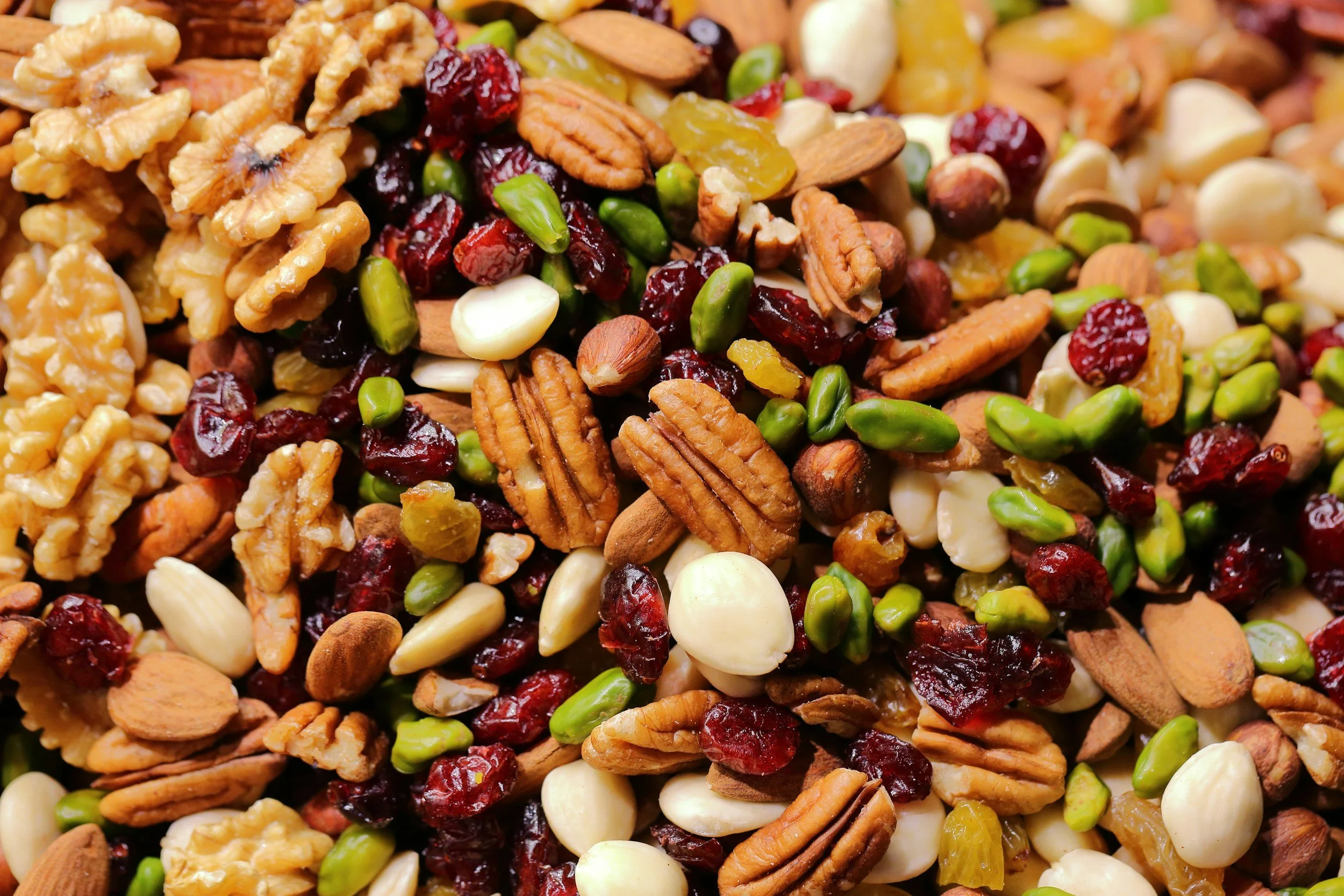
Nuts & Seeds
Nuts and seeds are an easy way to add healthy fats, fiber, plant protein and important micronutrients to your day.
Walnuts, almonds, chia seeds, flaxseed and pumpkin seeds are all great options. Brazil nuts are particularly rich in selenium—but more isn't better. Because their selenium content can be very high, think of Brazil nuts as an occasional addition rather than something you need to eat by the handful every day.
Try adding nuts or seeds to yogurt, oatmeal or salads, or pair a small handful with fruit for an easy snack.
-

Beans and Lentils
Beans and lentils are some of my favorite midlife staples because they give you both fiber and plant-based protein in one food.
Add chickpeas to salads, use lentils in soups, make black beans part of taco night or swap some of the meat in a recipe for beans. Small changes count—you don't need to completely change the way you eat.
Want to learn more about supporting your gut in midlife? Read my guide to gut health during menopause →
-

Don't Be Afraid of Healthy Fats
Healthy fats absolutely belong in a midlife eating pattern. Foods like extra-virgin olive oil, avocado, nuts, seeds and fatty fish provide important nutrients and can be part of a heart-healthy way of eating.
Fatty fish such as salmon, sardines and trout are also sources of omega-3 fatty acids.
Think less about adding “superfoods” and more about upgrading the fats you use regularly—olive oil instead of butter more often, nuts instead of highly processed snacks, or salmon in place of a more processed protein.
-

Soy Foods & Menopause
Soy gets a lot of attention during menopause and often a lot of unnecessary confusion.
Foods such as tofu, tempeh, edamame and soy milk contain compounds called isoflavones, which are a type of phytoestrogen. Research suggests soy foods may modestly help some women with menopausal hot flashes, although individual responses vary.
Soy foods are also valuable simply because they're nutrient-dense sources of plant protein.
You don't need to take a soy supplement or dramatically increase your intake. Think about including whole or minimally processed soy foods as one option within an overall balanced diet.
-

And Don't Forget Hydration
Hydration matters too, particularly if you're exercising regularly or dealing with hot flashes and night sweats. Water should do most of the heavy lifting, but electrolytes can be useful in certain situations.
Wondering whether you actually need electrolytes? Read my guide to electrolytes and menopause →
-
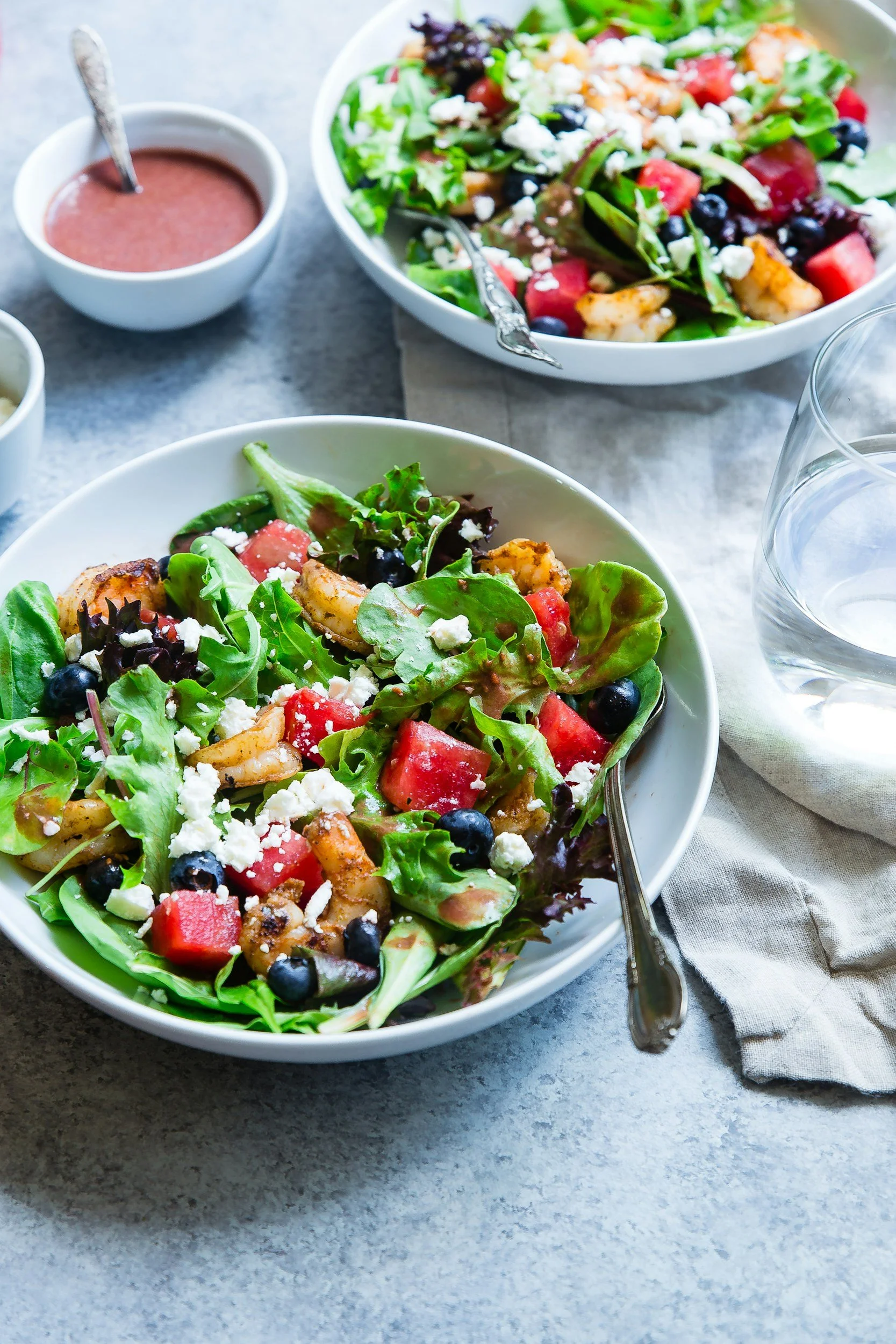
What Does a Menopause-Friendly Plate Actually Look Like?
You don't need to calculate every nutrient or build a perfect plate at every meal.
A simple framework I use with clients is to think about including:
Protein: fish, poultry, eggs, Greek yogurt, tofu, beans or lentils
Plants: vegetables and/or fruit
Fiber-rich carbohydrates: beans, oats, quinoa, potatoes, brown rice or other whole grains
Healthy fats: olive oil, avocado, nuts or seedsSome meals will check every box. Others won't. That's real life.
The goal isn't perfection—it's creating an overall pattern that supports your health and that you can realistically maintain.
Not Sure What Your Body Needs in Midlife?
Knowing what to eat is one thing. Figuring out how to make it work with your schedule, preferences, symptoms and real life is another.
That's where health coaching can help.
I work with women navigating perimenopause, menopause and midlife to create realistic, personalized strategies around nutrition, movement, sleep, stress and sustainable habits—without trying to change everything at once.
Ready for some personalized support?